Every October, millions of Ontario drivers start gambling with winter. They skip the tire swap until it snows. They ignore the battery warning light. They forget a blanket in the trunk. Then the temperature drops to −18°C on a Tuesday morning and the car doesn't start. This guide is the complete playbook for every winter roadside emergency you might face across East GTA — written by the team that responds to them every single day.
Emergency #1: Dead Battery in the Cold
This is our single most common winter call. A battery that struggled through summer's heat becomes completely useless at −15°C. Here's the physics: cold temperatures slow the chemical reactions inside a battery, cutting its output by up to 50%. Simultaneously, cold engine oil becomes thick, requiring more cranking power to start. The battery is at half power when the engine demands twice the effort.
Warning signs your battery won't survive the winter:
- Engine cranks slowly on cold mornings
- Battery warning light on the dashboard
- Battery is 3+ years old
- Headlights dim slightly when starting
- You've jump-started the car more than once this year
What to do: Call iFAST for a professional battery jump start or battery replacement. We use surge-protected commercial boosters that won't fry your car's sensitive electronics — unlike jumper cables connected incorrectly to a donor vehicle. If the battery is dead dead (not just weak), we can install a new battery on-site.
Stranded right now? Don't wait.
Call +1 437-215-3468Average arrival: 15–30 min · Pickering · Ajax · Whitby · Oshawa · Scarborough
Emergency #2: Car Won't Start (Not the Battery)
Sometimes the battery is fine but the car still won't start in winter. Common cold-weather causes:
Frozen fuel line
Water condensation in the fuel tank can freeze in the fuel line, blocking fuel flow. More common in older vehicles and with low fuel levels.
Thick engine oil
Cars that haven't been serviced use old, viscous oil that barely flows at −20°C. Switch to a 0W-30 or 5W-30 winter-spec oil before December.
Failed starter motor
Cold weather accelerates the failure of a starter that's already worn. You'll hear a single click instead of a crank.
Flooded engine (older carb vehicles)
Too many start attempts can flood the engine. Stop cranking, wait 10 minutes, and try without pressing the gas.
Immobilizer / security system glitch
Cold temperatures can cause key fob batteries to fail, tripping the immobilizer. Replace the fob battery first.
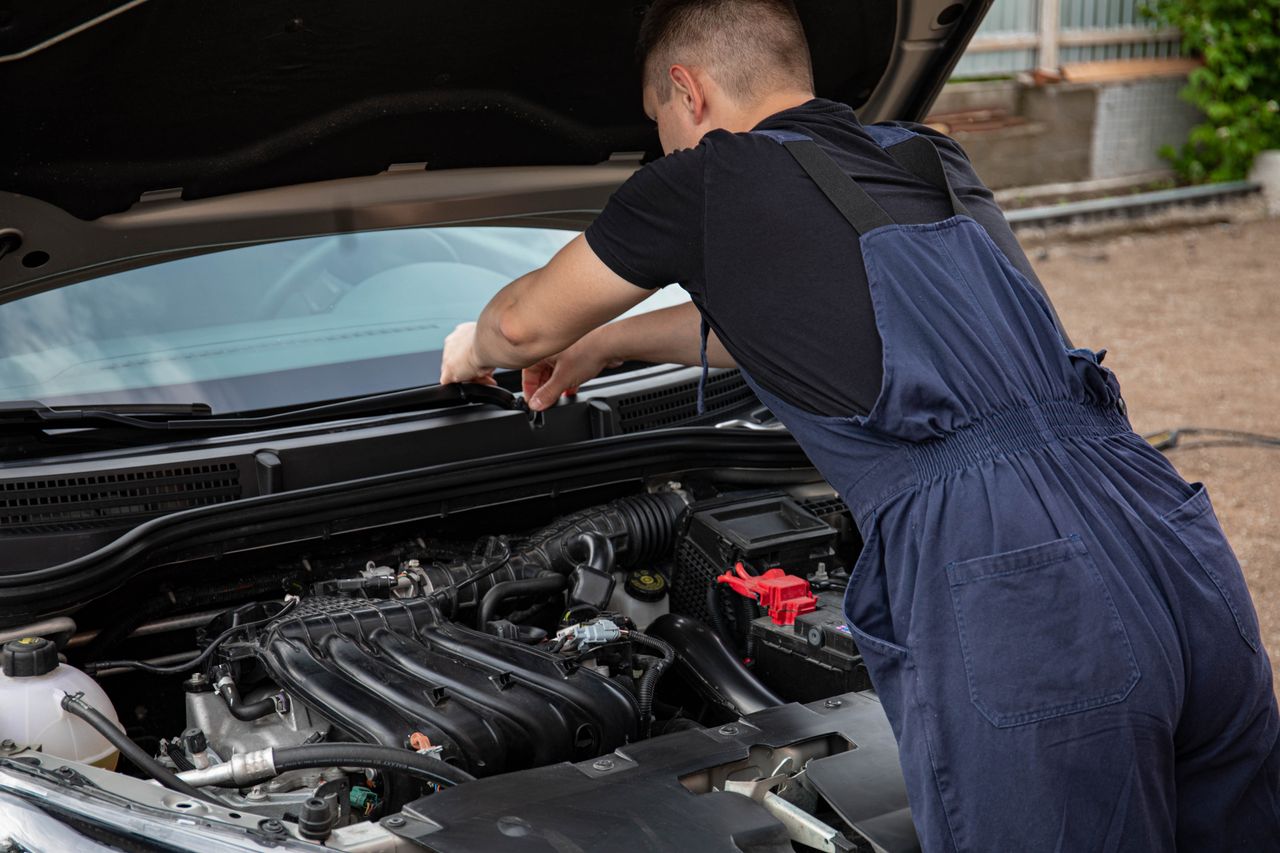
Our mobile mechanics carry diagnostic computers that read live sensor data and identify the exact cause within minutes — no guessing, no "try this and see."
Emergency #3: Flat Tire or Blowout on Ice
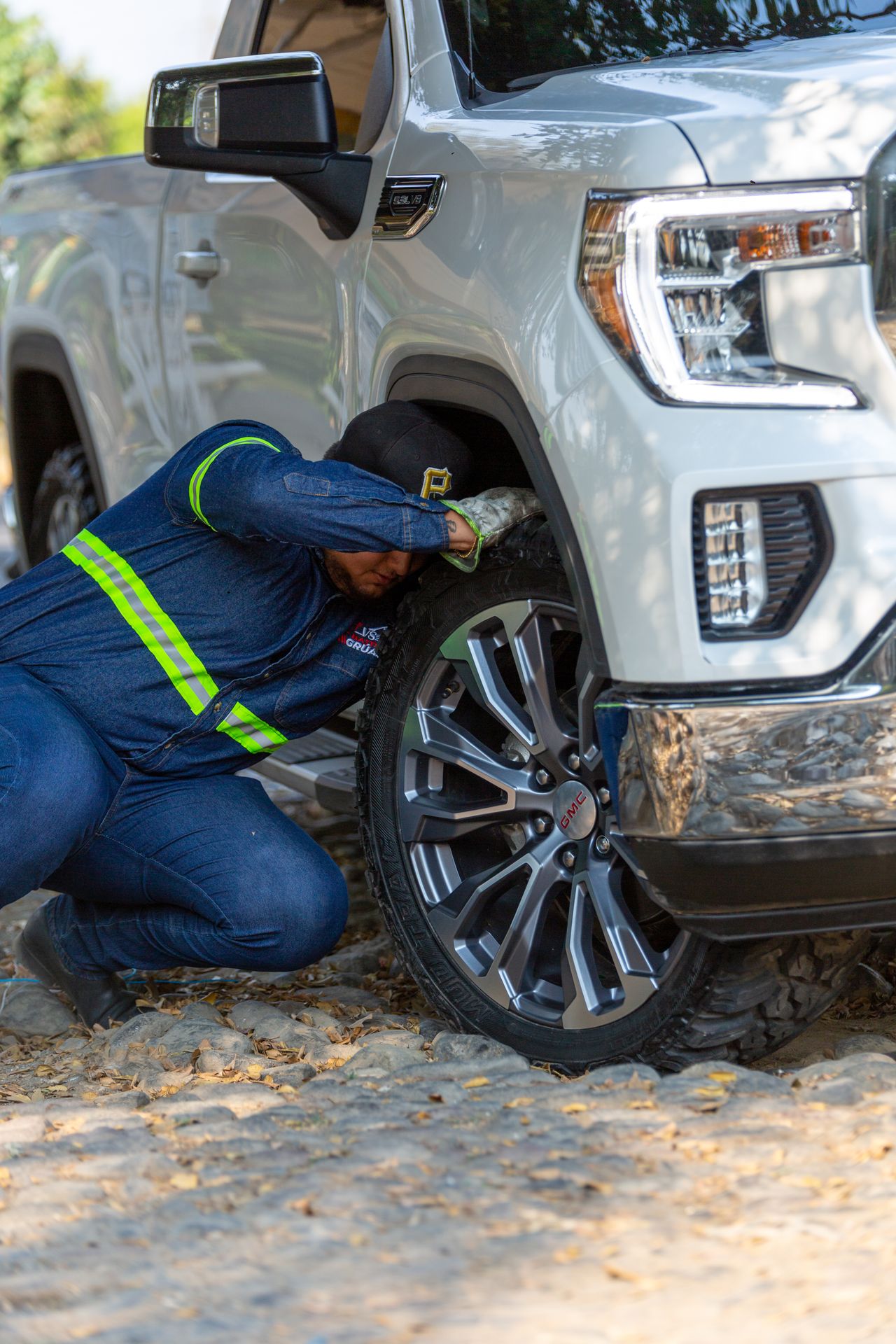
A flat tire is always inconvenient. A flat tire at 90 km/h on an icy Ontario highway is life-threatening. The same control techniques apply (don't brake suddenly, steer gently to the shoulder) but everything is harder on ice. Here's what makes winter flats worse:
- Your hands are cold, making it harder to safely handle a jack and wheel nuts
- The ground is frozen or icy, making a hydraulic jack unstable
- Snow and ice pack into the wheel well, making it hard to position the jack properly
- You're wearing thick gloves that reduce grip on tools
- Wet lug nuts seize onto the studs in the cold
Beyond technique, winter tires significantly reduce your blowout risk to begin with. Ontario law doesn't mandate winter tires province-wide (Quebec does), but they reduce stopping distance on ice by up to 50%. iFAST offers on-site seasonal tire swaps — we come to your home or office and do the swap in your driveway.
Stranded right now? Don't wait.
Call +1 437-215-3468Average arrival: 15–30 min · Pickering · Ajax · Whitby · Oshawa · Scarborough
Emergency #4: Locked Out in a Snowstorm
Car lockouts don't care about the weather. In fact, winter makes them more common: gloves make keys slippery, people rush out of warm buildings, and some older door lock mechanisms literally freeze. Freezing rain can ice over the door lock cylinder entirely.
If your lock is frozen:
- DO use a commercial deicer spray (not boiling water)
- DO gently warm the key with your hands before inserting
- DON'T force the key — it will snap
- DON'T use a lighter on the lock barrel
If your keys are inside:
- Stay warm — get inside a nearby building
- Call iFAST for a professional damage-free unlock
- We use non-marring tools that won't scratch door panels or weather seals
- Typical arrival in East GTA: 20–35 min
Emergency #5: Running Out of Fuel in the Cold
Running out of gas is embarrassing any time of year. In winter, it becomes dangerous. Standing outside your car on an icy shoulder in −10°C while waiting for help is a frostbite scenario. Here's the key rule: never let your tank drop below a quarter in Ontario winters.
Why? Beyond the obvious risk of running dry, a low fuel tank also increases condensation inside the tank, which can add water to your fuel system and contribute to a frozen fuel line. Keep the tank topped up.
If you do run dry, stay in your car with the hazard lights on and call iFAST Roadside Assistance. We deliver premium, regular, or diesel fuel directly to your location across East GTA — you never have to leave the warm vehicle.
Your Winter Car Emergency Kit
The best protection against winter roadside emergencies is preparation. Keep these in your trunk from November through April:
Stranded right now? Don't wait.
Call +1 437-215-3468Average arrival: 15–30 min · Pickering · Ajax · Whitby · Oshawa · Scarborough